
|
For families with multiple residences, the challenge is rarely finding capable people.
The challenge is maintaining the same level of oversight, communication, and accountability across every property without unnecessarily duplicating full-time household infrastructure. A principal may already have an exceptional estate manager overseeing the primary residence. That individual understands the family’s standards, preferences, systems, vendors, household rhythms, and expectations. But when there are second, third, or seasonal homes in other locations, even the strongest estate manager cannot be physically present everywhere at once. That is where a fractional estate-management relationship can be particularly effective. Rather than building a separate staffing structure at every residence, principals and their existing estate managers can engage an experienced professional or dedicated team to provide local oversight at additional properties—working within the systems, standards, and expectations already established by the household. The result is not another layer of management. It is an extension of the one already in place. A Local Extension of the Primary Estate Manager The most effective model is collaborative. The primary estate manager remains the central point of leadership and continuity for the household, while the fractional estate manager provides on-the-ground support at the secondary residence. That support may include routine property inspections, preventive maintenance oversight, vendor coordination, contractor supervision, household projects, arrival preparation, service follow-up, documentation, and immediate attention when something requires a professional presence. The primary estate manager no longer has to manage a distant property entirely through phone calls, photographs, vendor reports, or last-minute travel. Instead, there is a trusted professional at the residence who understands private-service expectations and can assess situations firsthand, communicate clearly, and see matters through to completion. Professional Oversight Without Building Another Household Staff A secondary residence may require consistent professional oversight without requiring a full-time estate manager of its own. Employing even a part-time household employee comes with responsibilities that extend well beyond salary. Payroll administration, workers’ compensation, benefits considerations, scheduling, paid time off, employment compliance, onboarding, training, coverage during absences, and ongoing supervision all become part of the household’s operating structure. For a residence that does not require daily management, building that infrastructure may be unnecessary. A fractional model allows the household to engage the level of professional oversight the property actually requires without creating an additional employee position. The principal receives experienced estate-management support. The existing estate manager gains reliable local representation. The residence receives consistent attention. And the household avoids adding another layer of employment administration where one may not be warranted. The Right Level of Support for Each Residence No two homes require exactly the same level of management. A primary residence may need daily oversight. A second home may require weekly inspections, ongoing vendor coordination, and preparation before arrivals. A seasonal property may need more intensive attention during certain months and considerably less at other times. A residence undergoing renovation may temporarily require several days of active project oversight each week and then return to a much lighter maintenance schedule once the work is complete. A fractional relationship allows the level of service to adjust to the actual needs of the property rather than forcing the residence into a full-time or part-time employment structure that may not fit. That flexibility is particularly valuable within a multi-residence portfolio, where each property has its own operational demands. Continuity Across the Household For HNW and UHNW families, consistency matters. A residence in Los Angeles should not feel professionally managed while another property operates on a completely different set of standards simply because it is located elsewhere. The principal’s expectations should travel with them. A fractional estate manager can work within the protocols established by the primary estate manager, family office, or household team so that maintenance, reporting, vendor management, documentation, and property readiness remain consistent across residences. That continuity can include everything from how vendors are approved and invoices are reviewed to how household inventories are maintained, how arrivals are prepared, and how maintenance concerns are documented and escalated. The objective is not to create a separate operating system for each home. It is to extend the household’s existing standards to every residence. A Better Way to Manage Vendors Secondary residences often rely heavily on outside vendors: landscapers, pool technicians, housekeepers, HVAC contractors, electricians, plumbers, security providers, appliance specialists, pest-control companies, and other service professionals may all have regular access to the property. Without local oversight, the household is often relying on each vendor to independently report on their own work. That is not the same as professional management. A fractional estate manager can coordinate access, supervise work when appropriate, evaluate whether recommendations make sense, confirm that projects are completed properly, review invoices, document service history, and follow up on unresolved items. The household is no longer receiving disconnected information from a collection of vendors. There is one professional responsible for understanding how all of those moving parts affect the residence as a whole. Stronger Preventive Maintenance Second and seasonal homes are especially vulnerable to deferred maintenance because they may not be occupied consistently. Small problems can remain unnoticed longer. A minor leak, irrigation issue, HVAC irregularity, equipment fault, drainage problem, pest concern, or exterior deterioration may develop quietly between visits. Regular estate-management oversight creates a disciplined preventive-maintenance structure around the residence. Systems are serviced when they should be. Recommendations are tracked. Emerging concerns are documented. Repairs are followed through. And the property is being observed by someone whose responsibility extends beyond completing one specific service call. That level of continuity can prevent minor issues from becoming larger and more disruptive ones. Better Support for the Existing Estate Manager Fractional estate management is not only beneficial to the principal. It can materially strengthen the effectiveness of the primary estate manager. Multi-residence portfolios can place enormous logistical demands on even highly experienced estate managers. Travel between properties, coordinating remote vendors, managing projects from a distance, and responding to issues in multiple locations can easily pull attention away from the primary residence and the broader needs of the household. A trusted counterpart at another residence expands the estate manager’s reach without diluting their authority. They remain informed. They remain in control. But they no longer have to personally be present for every vendor appointment, property inspection, repair, delivery, or household project. That creates a more sustainable management structure across the family’s residences. More Depth Without More Complexity One of the strongest advantages of this model is that it adds capability without adding unnecessary complexity. The household gains another experienced private-service professional who can step in when a physical presence is needed, provide consistent oversight, communicate directly with the primary estate manager, and represent the principal’s interests locally. Yet there is no need to create another standalone management position simply because an additional property requires attention. For some households, fractional estate management may serve as the primary management solution for a residence. For others, it may complement an established estate-management team. In a multi-residence household, it can do both. The structure is flexible because the residences themselves are different. The Goal Is Seamlessness The principal should not feel the operational complexity behind maintaining multiple homes. Whether arriving at a primary residence or a property visited only periodically, the expectation is the same: The residence is ready. The systems are functioning. The maintenance is current. The vendors have been managed. The outstanding issues have been addressed. And the people responsible for the household are communicating with one another. That is what makes this model work. It does not replace the estate manager. It extends their reach. It provides the professional oversight the residence requires, at the level it requires. For families managing multiple homes, that can be a highly effective way to maintain consistent standards across an entire residential portfolio—while keeping the management structure streamlined, collaborative, and appropriately scaled.
0 Comments
When homeowners or their team begin searching for support in managing a residence, they often encounter the term "property management." While property management serves an important purpose, it is often not the solution that high-net-worth families, trustees, family offices, or owners of luxury residences are actually seeking. The distinction is important. Property management traditionally focuses on rental properties. Responsibilities typically include leasing, tenant relations, rent collection, inspections, and regulatory compliance. Property managers are responsible for protecting and operating income-producing real estate. Estate management is fundamentally different. Estate management focuses on privately owned residences and the complex systems, vendors, projects, and operations required to maintain them. The objective is not to manage tenants. The objective is to protect the owner's investment, preserve the property's condition, and ensure that every aspect of the residence operates according to the owner's expectations and standards. For many affluent homeowners, a residence is far more than simply a piece of real estate. It is often one of their most valuable assets and, in many cases, one of their most personal. Yet even the most beautiful homes require ongoing oversight, planning, coordination, and stewardship. One of the most common misconceptions I encounter is the belief that expensive repairs begin as expensive problems. In reality, many of the most costly issues I have seen over the years started as relatively minor concerns that simply went unnoticed or unaddressed. A small irrigation leak, deferred HVAC maintenance, an overlooked roof issue, or a contractor project lacking proper oversight can quietly evolve into a much larger and more expensive problem. High-value residences are complex operating environments that require ongoing coordination, oversight, and accountability. Mechanical systems require maintenance. Vendors require supervision. Renovation projects require oversight. Seasonal preparations must be coordinated. Service providers must be vetted, scheduled, and held accountable. Unexpected issues inevitably arise and often require immediate attention. Without active management, small concerns can quickly become expensive problems. Effective estate management is proactive rather than reactive. The role of an Estate Manager is to identify issues before they become problems, coordinate solutions before they become emergencies, and ensure that the countless moving parts of a residence continue to operate efficiently behind the scenes. In my experience, one of the most valuable aspects of estate management is accountability. Homeowners often assume that once a vendor has been hired, a project will naturally move forward as planned. Unfortunately, that is not always the case. Even highly qualified vendors require communication, follow-up, coordination, and oversight. Someone must own the process, monitor progress, and ensure expectations are being met. For absentee homeowners, second-home owners, trustees, and family offices, professional oversight becomes even more valuable. Whether the owner is across town or across the country, someone must remain accountable for the day-to-day operations of the property. This often includes: • Property Care & Readiness • Vendor and contractor oversight • Preventive maintenance programs • Renovation and project coordination • Household operations support • Property inspections and monitoring • Seasonal preparation and occupancy readiness • Emergency response coordination • Inventory and asset oversight • Family office support and coordination Another reality that many homeowners discover is that managing a residence is rarely about any one project or one vendor. It is about managing dozens of moving parts simultaneously while ensuring that nothing falls through the cracks. The larger and more complex the property, the more important coordination, communication, and proactive planning become. The most effective estate management relationships are built on trust, communication, discretion, and accountability. Homeowners gain confidence knowing that someone is actively overseeing the property, managing details, and protecting their interests. At Purveyors of Time, we believe that successful estate management is not simply about maintaining a residence. It is about providing thoughtful oversight, proactive planning, and trusted representation so that homeowners, trustees, family offices, and estate professionals can focus on their priorities while knowing their property is in capable hands. The most valuable service an Estate Manager provides is often peace of mind. When systems are functioning properly, vendors are being managed effectively, projects are progressing as planned, and potential issues are being addressed before they escalate, homeowners gain the confidence that their residence is being cared for as if they were there themselves. In many ways, the role of an Estate Manager is that of a trusted steward and operational partner. The goal is to ensure that the property, the professionals supporting it, and the systems behind it continue to function at the highest level while protecting the owner's interests, standards, and long-term investment. When done well, estate management provides continuity, accountability, and confidence for homeowners, family offices, trustees, and advisors alike. Trusted Household & Estate Management for Those Who Value Time, Privacy, and Peace of Mind
After years of quietly serving private clients behind the scenes, Purveyors of Time is pleased to announce its official relaunch. Founded in Los Angeles in 2007, Purveyors of Time was built on a simple belief: exceptional properties require exceptional oversight. While our public presence may have been quiet in recent years, our work never stopped. Throughout this time, we continued managing households, overseeing properties, coordinating vendors, supporting principals, and ensuring that homes remained secure, maintained, and operating at the highest standards. Today, we are bringing that expertise back to the forefront with a renewed focus on serving discerning homeowners, family offices, estate managers, household managers, and trusted advisors who require reliable local representation and hands-on property oversight. An Extension of Your Team Many of our clients live elsewhere, travel extensively, or maintain multiple residences. Others have estate managers, household managers, family office professionals, or fiduciaries who are responsible for overseeing assets but cannot be physically present at every property. That's where we come in. Purveyors of Time serves as a trusted extension of the management team, providing boots-on-the-ground support, operational oversight, and detailed reporting. Whether a property requires regular inspections, project supervision, vendor coordination, move-in preparation, guest readiness, or emergency response, we ensure that nothing falls through the cracks. We are often hired not only by homeowners, but also by the professionals charged with protecting their interests. What We Do Our services are tailored to each client's unique needs and may include:
The Difference Is in the Details Luxury is not simply about beautiful homes. It is about confidence. Confidence that the contractor arrived. Confidence that the repair was completed correctly. Confidence that the home is guest-ready. Confidence that someone is paying attention. Our clients know they can trust us to represent their interests with professionalism, discretion, and attention to detail. We understand that every property tells a story, and every homeowner has unique expectations. Our role is to ensure those expectations are consistently met. Looking Forward As Purveyors of Time enters this next chapter, we remain committed to the same values that have guided us since the beginning: integrity, discretion, accountability, and exceptional service. We look forward to partnering with homeowners, family offices, estate managers, household managers, trustees, and advisors who require experienced, reliable support for the properties and lives they oversee. Because while homes can be managed, time is the one asset that can never be replaced. Purveyors of Time Private Household & Estate Management Serving Los Angeles and select destinations worldwide. Their Christmas tree was scheduled to be taken down the following day; however, a giant fire ignited and killed 6 family members (two adults and four of their grandchildren). It burned down their entire 16,000 square foot mansion. This fire took place in 2015 in Annapolis, MD.
When I attended Professional Household Management training, we received education regarding fires in the home and how to possibly mitigate potential fire hazards. This particular fire that we learned about took place a few weeks after Christmas on January 19th and ignited with a faulty electrical outlet that powered the family’s extremely dried-out Christmas tree. This classroom training had a lasting impact on me. The reason for my post: it is extremely necessary to be sure that your principal and their family’s home is safe and secure from potential danger. Not only should you be looking out for the obvious dried out tree and faulty electrical, but it is also important to work with your local fire department to be sure that your family is safe and secure throughout the year. As household managers, we must assess what unique situations our principals’ household may have:
Additionally, meet with your local fire department to find out:
It is time to remove those dried out Christmas trees and have a plan in place to make your principals’ home as safe as it can be. #PebbleBeach #Carmel #CarmelbytheSea #LosAngeles #LA #SiliconValley #ConciergeHomeManagement #EstateManagement #PropertyManagement #fire #fireprevention Here's a great article on MFOs and their appeal. We provide the "Lifestyle Services" to Multi-Family Offices.
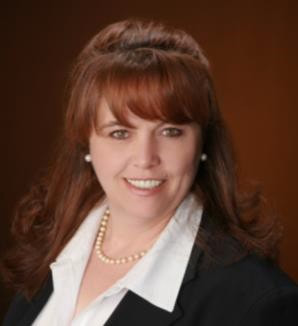
Copy and paste this link to read the article: https://www.fa-mag.com/news/the-appeal-of-multi-family-offices-59011.html This week's featured service industry professional is with Jeannette Jones, Certified Household Manager and Founder of Purveyors of Time. For the past 20+ years, Jeannette Jones has managed the lives, events, and properties of some of the world’s most-visible people. Thirteen years ago, Jeannette decided to take her carefully-honed craft and bring it to a larger audience, providing personal assisting and property management services to those fortunate enough to own a second (or third) estate in Los Angeles.
Since this is not the typical format for hiring household staff, how were your services received? Because it was a new type of business model, which most had not heard of, it was slow to grow; but it did not take more than a few years to flourish into a thriving business. Our clients really seem to find great value with the fact that we are there for them whenever they need but that they do not have to pay a full-time employee’s salary. They appreciate that their home is looked after as if it had a full-time caretaker. They also really enjoy that when they arrive to their vacation home (or secondary home), it is stocked and prepped for them with their groceries, sundries, and any other necessary items that make it feel like they never left home; and, of course, they take comfort in knowing that they have a personal representative available to respond in the event of emergencies. What are the benefits of hiring a company like yours to manage people’s homes? |

AuthorOur blogs are written by our various team members Archives
June 2026
Categories |